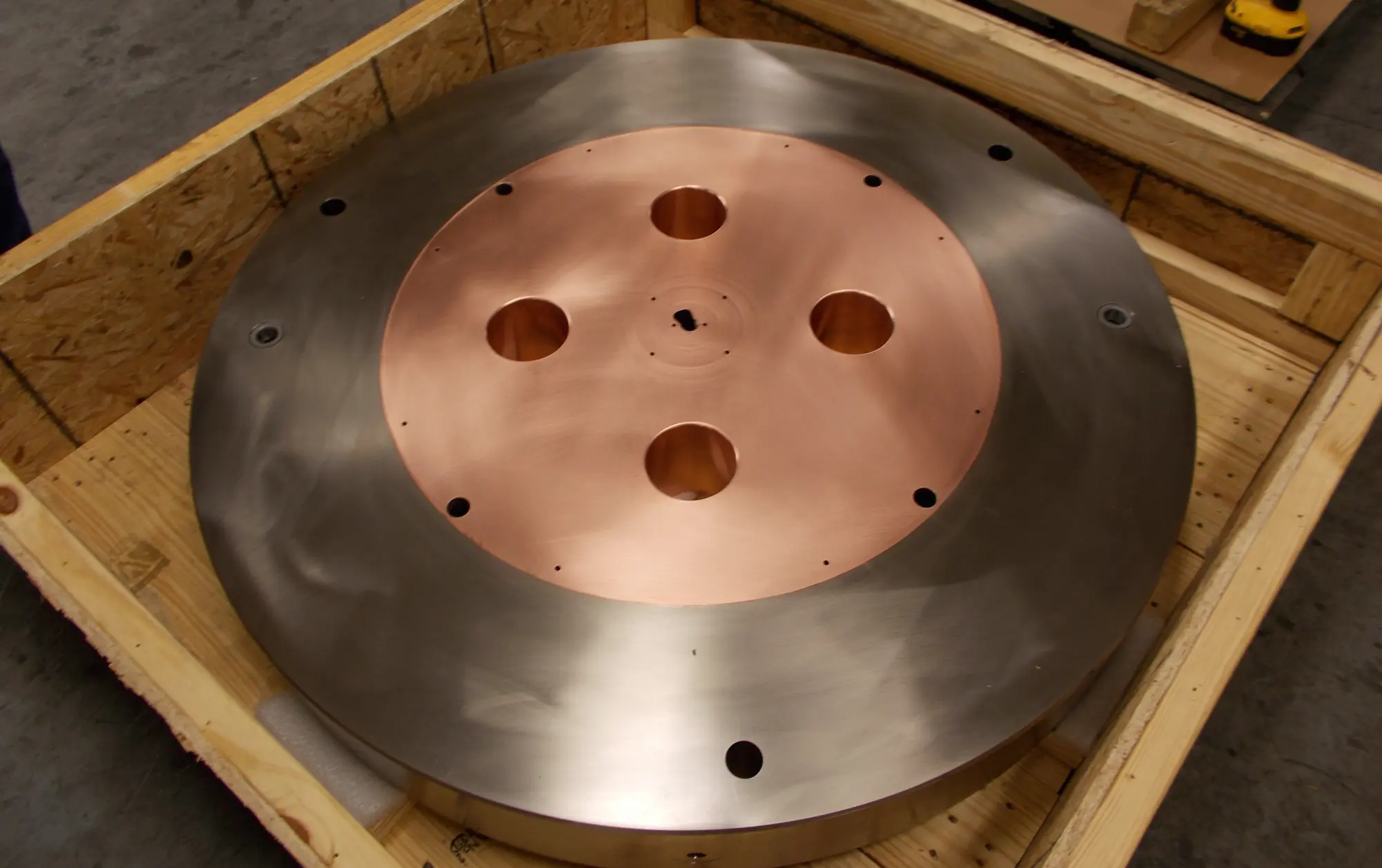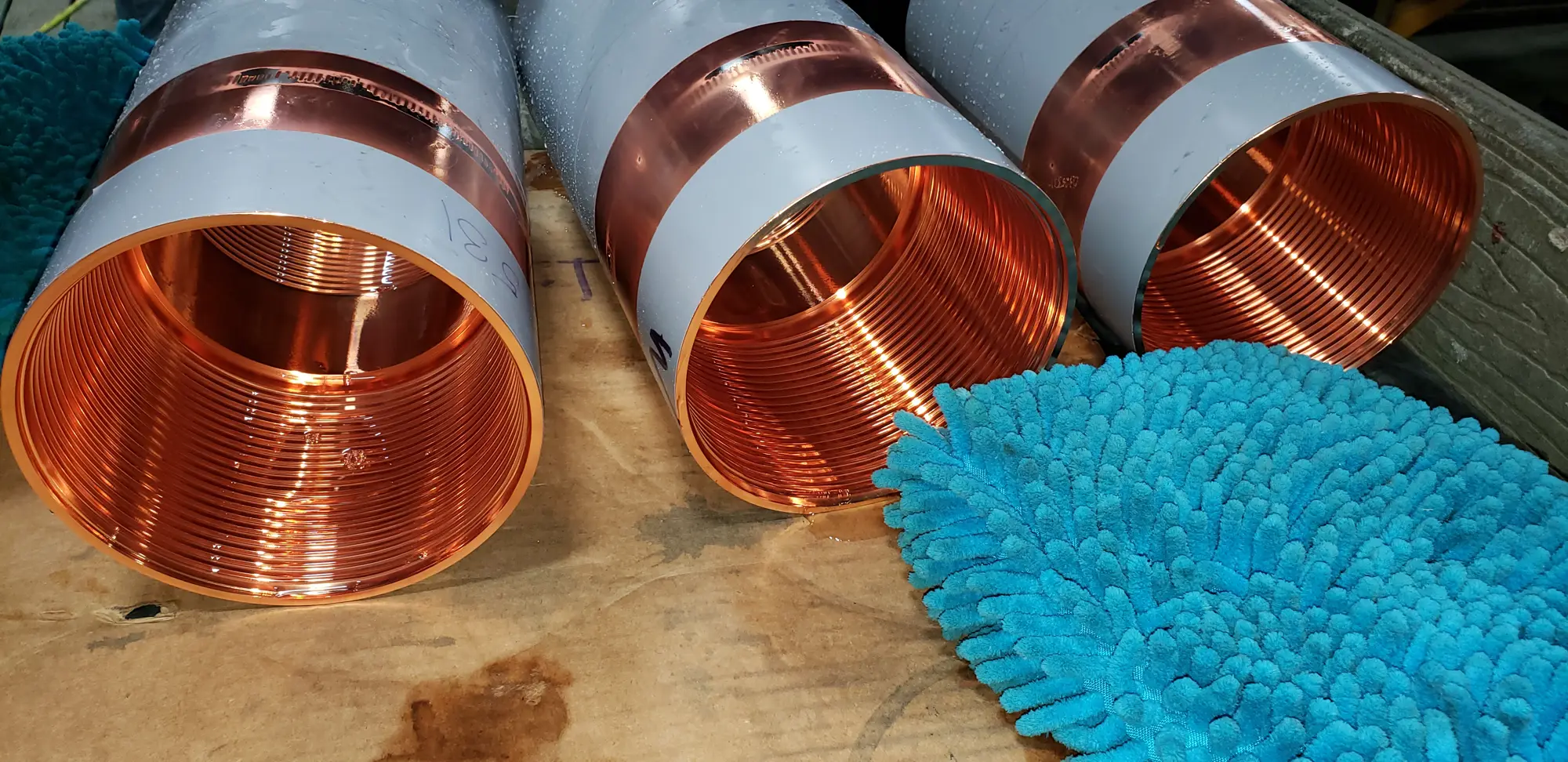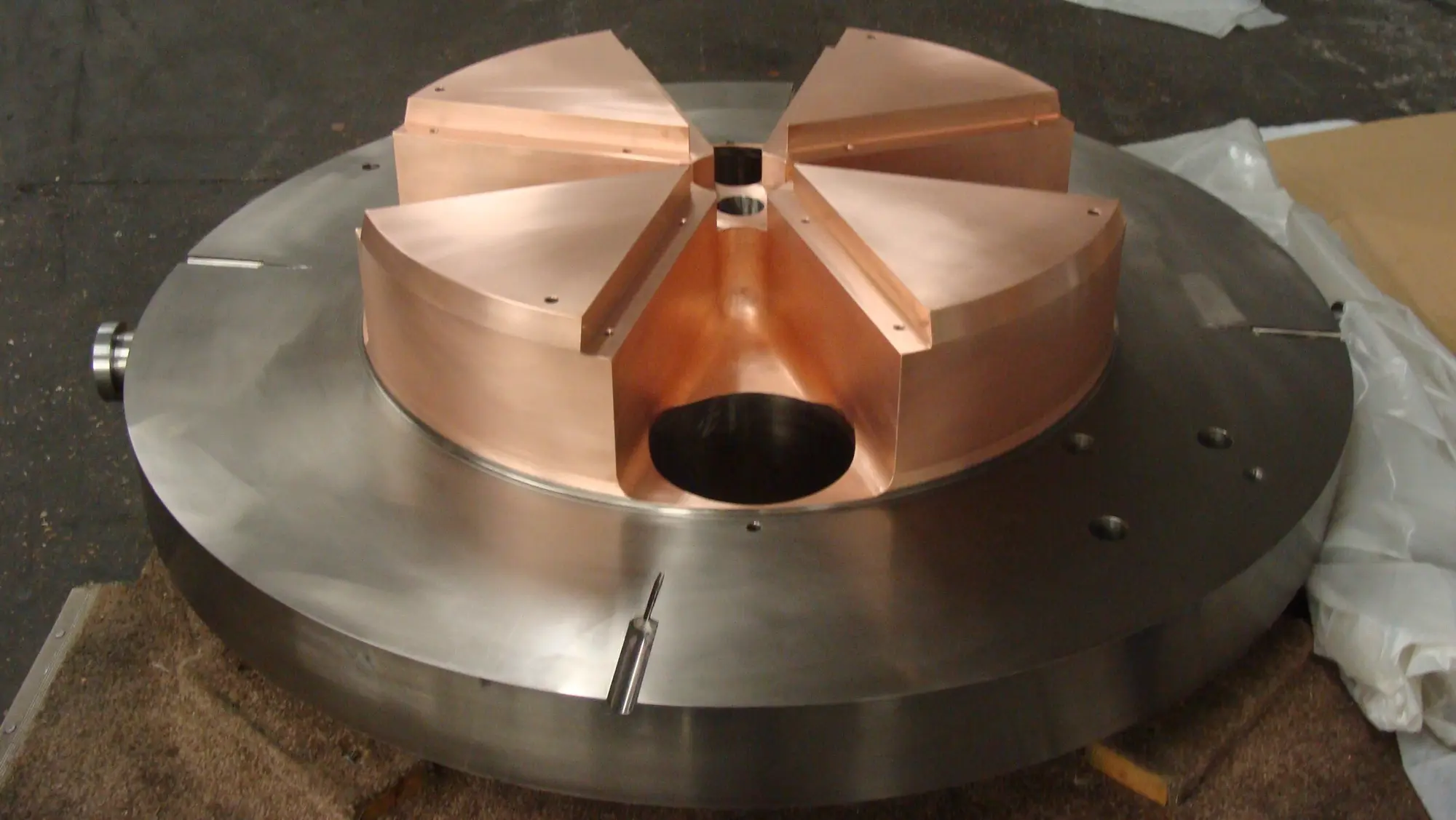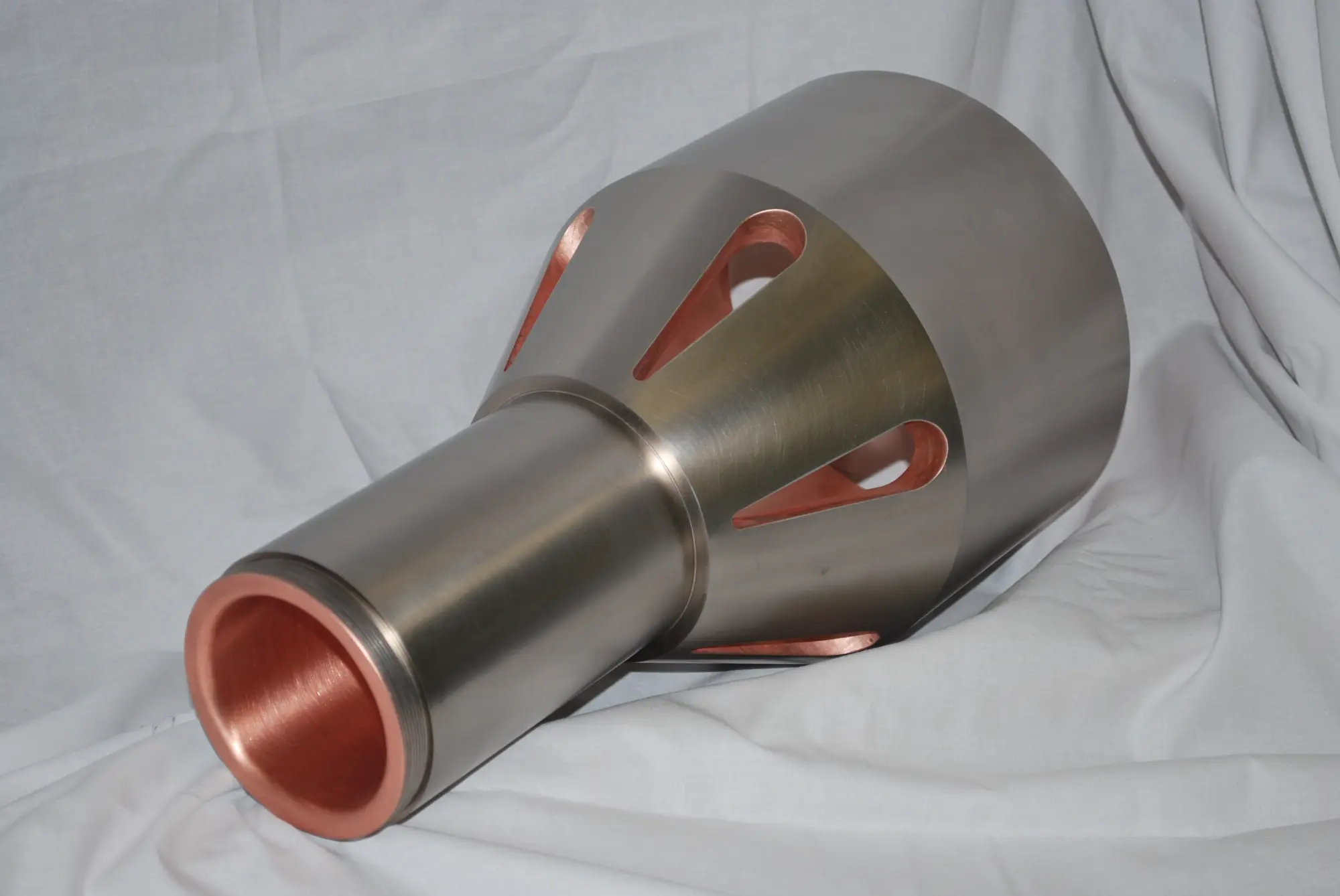
Industrial metal surface preparation is one of the most important steps in achieving a durable, high-performance electroless nickel coating. Before plating begins, every component must be thoroughly prepared to remove contaminants that can interfere with adhesion and coating quality. Our metal surface preparation services help create a clean, uniform surface that promotes consistent plating results while reducing the risk of peeling, blistering, or premature coating failure. Whether your components are destined for demanding industrial equipment, energy systems, aerospace applications, or heavy manufacturing environments, proper surface preparation lays the foundation for long-lasting performance.
Our Surface Preparation Process
Every project begins with evaluating the base material, existing surface condition, and performance requirements of the finished component. Depending on the substrate and application, our process may include removing oils, machining residue, oxidation, scale, corrosion products, or other contaminants that can interfere with plating adhesion.
Once the surface has been properly prepared, the component is inspected to verify cleanliness and consistency before entering the electroless nickel plating process. This careful preparation helps produce a more uniform deposit, improves coating adhesion, and supports long-term corrosion and wear resistance across demanding industrial applications.
Why Surface Preparation Matters
Even the highest-quality plating system depends on the condition of the underlying metal. Contaminants, oxidation, residual lubricants, and inconsistent surface conditions can reduce coating adhesion and affect long-term performance. Professional surface preparation helps create a clean, stable surface that allows electroless nickel to bond properly with the base material. For components needing further restoration, see our special processes. By investing in proper preparation before plating, manufacturers can improve coating consistency, extend component service life, reduce the likelihood of coating defects, and achieve more reliable performance in demanding operating environments.